
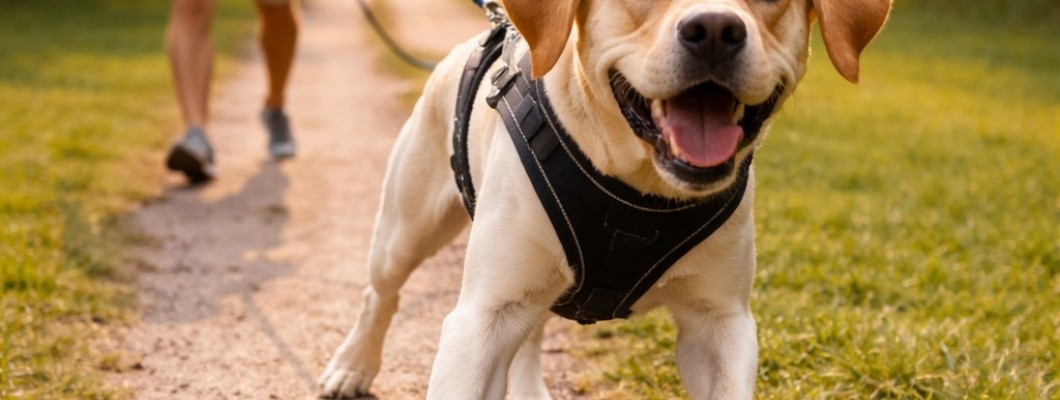
Walking your dog should be one of the most enjoyable parts of the day. Unfortunately, many dog owners struggle with a common problem: dogs pulling on the lead. Whether your dog lunges forward with excitement or constantly drags you down the street, pulling can make walks stressful and even unsafe.
The good news is that with the right training and equipment, most dogs can learn to walk calmly on the lead.
The GentleStep Front Attached Harness
Reduced Pulling - More Control - No harsh methods
Made in the UK - Easy to Fit - Gentle Action
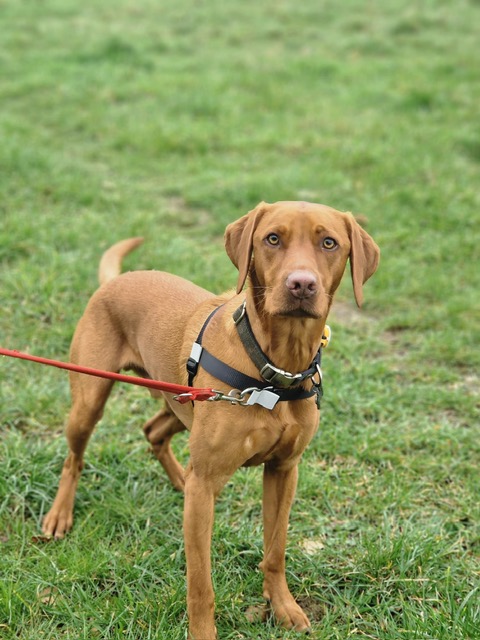
Why Do Dogs Pull on the Lead?
Dogs naturally move faster than humans and are curious about their surroundings. Pulling often happens because:
Excitement
Many dogs associate walks with fun and stimulation. The moment the lead goes on, they become eager to explore.
Instinct
Dogs are naturally forward-moving animals. If they see a scent, another dog, or something interesting, they instinctively move toward it.
Lack of loose-lead training
Many dogs simply haven’t been taught that walking calmly beside their owner is expected behaviour.
Reinforced behaviour
If a dog pulls and still gets where they want to go, they quickly learn that pulling works.
Why Pulling on the Lead Can Be a Problem
Pulling may seem like a minor nuisance, but it can cause several issues:
● walks become stressful and less enjoyable
● increased risk of injury to owner or dog
● strain on a dog’s neck when using a collar
● reduced control around traffic or other dogs.
For these reasons, many trainers recommend addressing pulling early and using appropriate walking equipment.
Training Tips to Reduce Lead Pulling
Teaching a dog to walk politely on the lead takes patience and consistency. These techniques can help.
Stop When Your Dog Pulls
If your dog pulls ahead, stop walking. Wait until the lead becomes loose before continuing. This teaches the dog that pulling does not move them forward.
Change Direction
If your dog consistently pulls ahead, calmly turn and walk in another direction. This helps them learn to pay attention to you during the walk.
Reward Calm Walking
When your dog walks beside you without pulling, reward them with praise or a small treat. Positive reinforcement helps dogs understand the behaviour you want.
Keep Walks Calm at the Start
Dogs often pull most when they first leave the house. Spend a moment allowing them to settle before starting the walk.
Collar vs Harness for Dogs That Pull
Many owners use a collar for everyday walks, but collars place pressure on a dog’s neck when they pull. For dogs that pull strongly, a well-fitted harness can be a more comfortable option.
Harnesses distribute pressure across the chest and shoulders rather than the neck. This can reduce strain and give the owner better control.
Why Front-Clip Harnesses Can Help
Front-clip harnesses attach the lead at the dog’s chest rather than the back.
When a dog pulls forward, the harness gently redirects their body toward the handler instead of allowing them to continue moving straight ahead. This makes it easier to regain control during the walk.
Many dog owners find that front-clip harnesses make loose-lead training easier, especially for energetic dogs.
A front-clip design such as the GentleStep dog harness helps guide the dog back toward the owner when pulling begins, supporting training while keeping walks comfortable.
Consistency Is the Key to Success
Improving loose-lead walking takes time. The most important things to remember are:
● be consistent during every walk
● reward calm behaviour
● avoid letting pulling become a habit again
● use equipment that supports training.
Most dogs can learn to walk politely with practice and clear guidance.
Final Thoughts
Pulling on the lead is one of the most common challenges dog owners face, but it is also one of the most manageable with the right approach.
By combining patient training techniques with suitable walking equipment, many dogs quickly learn that staying close to their owner makes walks more enjoyable for everyone.
If your dog tends to pull, a front-clip harness combined with positive training methods can make a significant difference in building calm, enjoyable walks.