
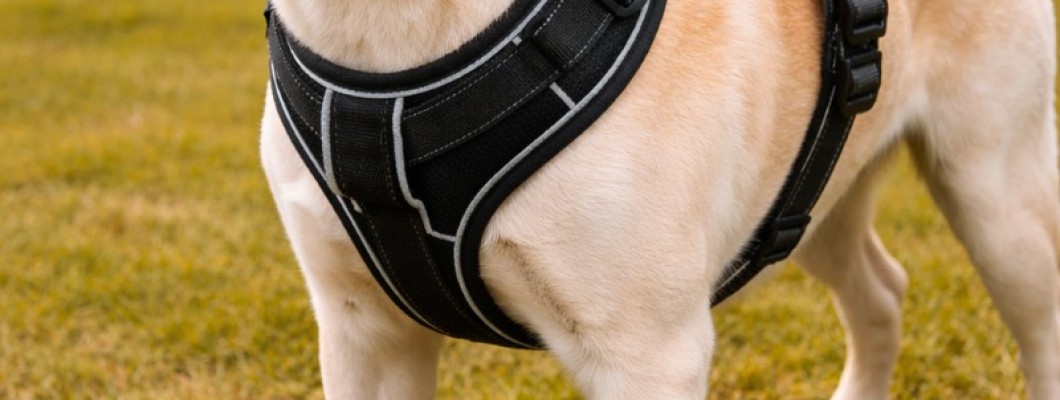
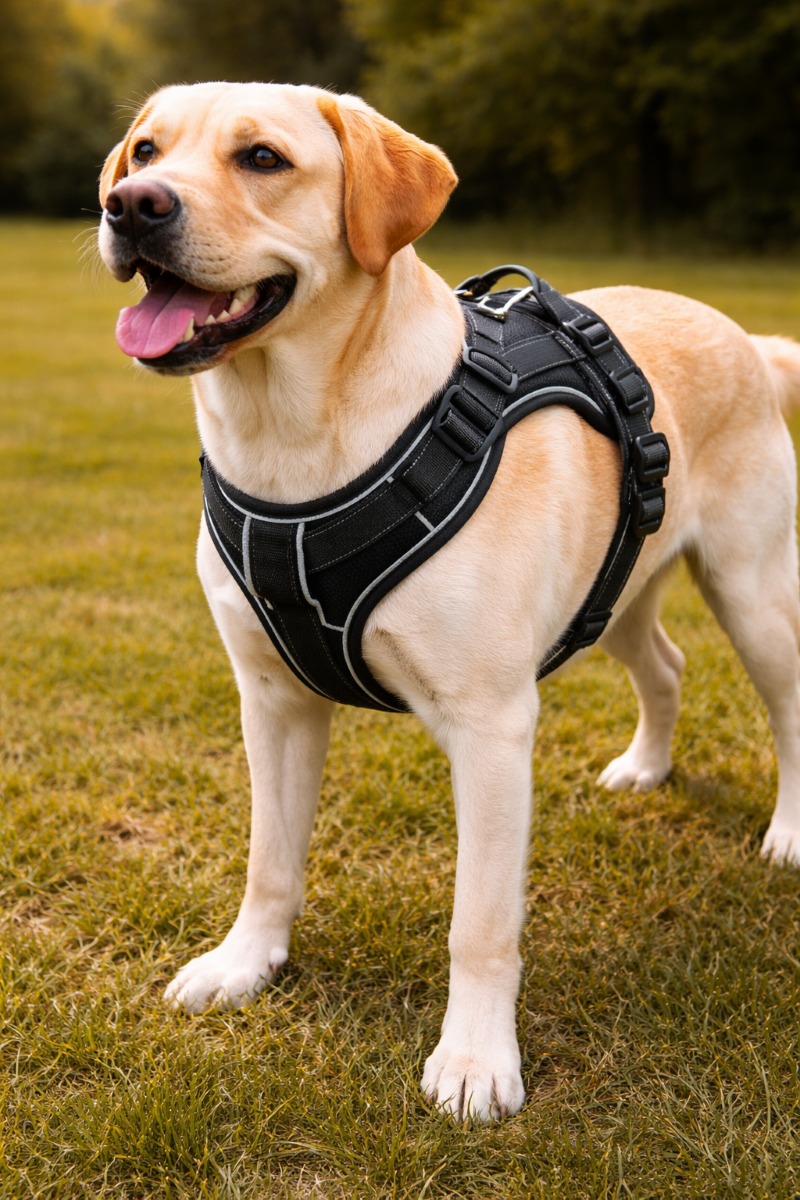
A dog harness can make walks safer and more comfortable, but only if it fits correctly. A poorly fitted harness may allow a dog to escape, cause rubbing, or make walking uncomfortable.
Taking a few minutes to measure and adjust your dog’s harness properly can make a big difference to their comfort and safety.
Why Proper Harness Fit Matters
A correctly fitted harness helps ensure:
● your dog cannot slip out during walks
● pressure is distributed across the chest rather than the neck
● the harness does not rub or cause irritation
● you maintain better control while walking.
Even the best harness will not perform properly if it is too loose or too tight.
Step 1: Measure Your Dog
Before choosing a harness size, it’s important to measure your dog accurately.
The most important measurement is chest girth.
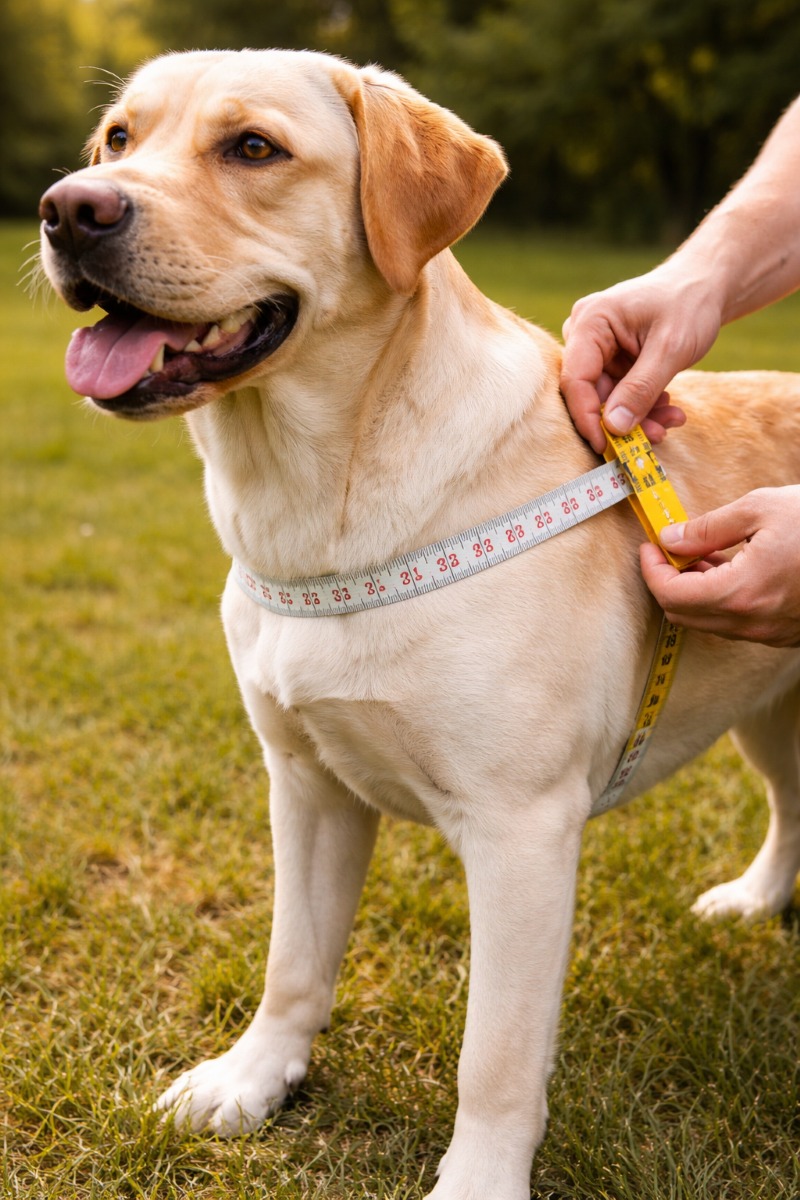
How to Measure Chest Girth
1. Use a soft measuring tape.
2. Wrap the tape around the widest part of your dog’s chest, just behind the front legs.
3. Make sure the tape is snug but not tight.
This measurement helps determine the correct harness size for your dog.
If your dog is between sizes, it is often best to choose the size that allows adjustment for a secure fit.
** Some harnesses also require you to check your dog’s weight
Step 2: Put the Harness on Your Dog
Once you have the correct size, gently place the harness on your dog following the manufacturer’s instructions.
Make sure that:
● the chest strap sits comfortably across the chest
● straps are not twisted
● the harness sits evenly on both sides of the dog’s body.
Taking a moment to position the harness properly will make adjusting it much easier.
Step 3: Adjust the Straps
Most harnesses have adjustable straps to ensure a comfortable and secure fit.
Adjust the straps so that:
● the harness sits snugly against the body
● there are no loose gaps where your dog could slip out
● the harness does not restrict movement.
A well-adjusted harness should allow your dog to walk, run, and sit comfortably.
Step 4: Use the Two-Finger Rule
A simple way to check the fit is the two-finger test.
You should be able to fit two fingers comfortably between the harness and your dog’s body.
If you cannot fit two fingers, the harness may be too tight.
If you can fit more than two fingers easily, the harness may be too loose.
Step 5: Check for Comfort and Movement
Once the harness is fitted, watch your dog move around.
Look for signs that the harness fits well:
● your dog walks normally
● there is no rubbing under the legs
● the harness stays in position during movement.
If the harness shifts excessively or rubs the skin, further adjustments may be needed.
Common Harness Fitting Mistakes
Many harness problems come from simple fitting mistakes.
Harness Too Loose
A loose harness increases the risk of dogs slipping out, especially when they pull backwards.
Harness Too Tight
If straps are too tight, they may restrict shoulder movement or cause discomfort.
Incorrect Strap Position
Straps that sit too close to the dog’s front legs may cause rubbing during walks.
Taking time to adjust the harness properly helps avoid these issues.
Choosing a Well-Designed Harness
A harness that includes multiple adjustment points and a clear fit around the chest makes it easier to achieve a secure and comfortable fit.
Harnesses designed with a chest attachment, such as the GentleStep dog harness, can also help guide the dog during walks while distributing pressure comfortably across the chest.
Final Thoughts
Fitting a dog harness correctly is one of the most important steps in ensuring safe and enjoyable walks.
By measuring your dog properly, adjusting the harness carefully, and checking the fit before each walk, you can help keep your dog comfortable and secure.
A well-fitted harness combined with consistent training can make daily walks more relaxed and enjoyable for both you and your dog.
Leave a Comment