
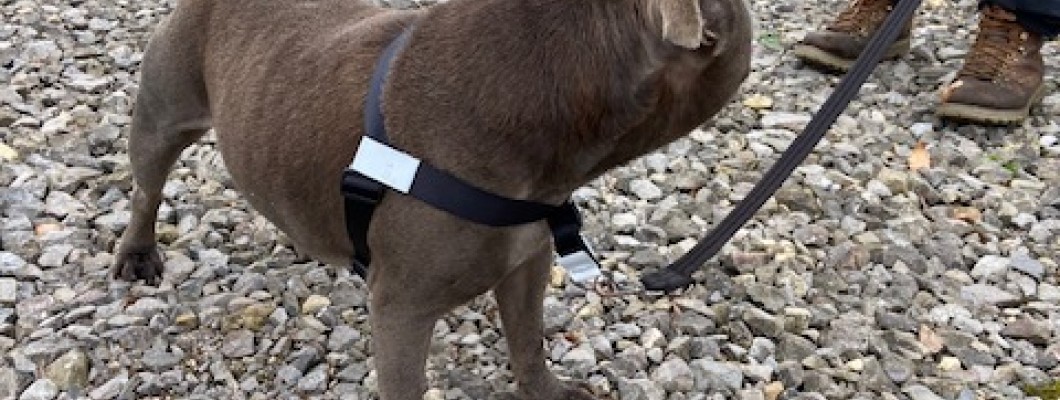
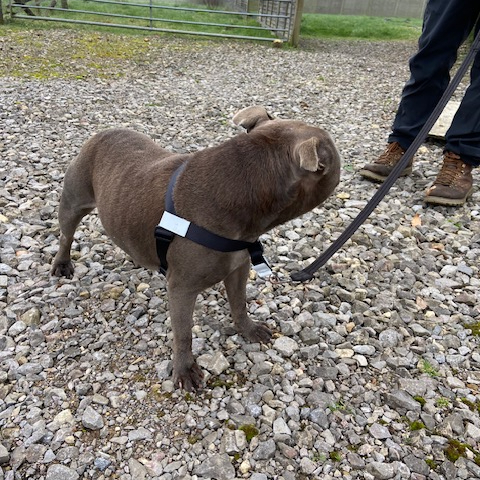
Choosing the right harness for your dog can make a big difference to both comfort and control during walks. One of the most common questions dog owners ask is:
Should I use a front-clip or a back-clip dog harness?
Both types of harness have their advantages, and the best choice often depends on your dog’s behaviour, training level, and walking style.
What Is a Back-Clip Dog Harness?
A back-clip harness has the lead attachment located on the dog’s back, usually between the shoulders.
This is the traditional harness style and is commonly used for everyday walks.
Benefits of a Back-Clip Harness
● simple and easy to put on
● comfortable for many dogs
● good for relaxed walks
● prevents pressure on the neck compared with collars.
Back-clip harnesses work well for dogs that already walk calmly on the lead and do not pull excessively.
Potential Drawbacks
If a dog pulls strongly, a back-clip harness may allow them to lean into the harness and pull more effectively, similar to how sled dogs pull.
For this reason, some owners find back-clip harnesses less helpful for training dogs that pull.
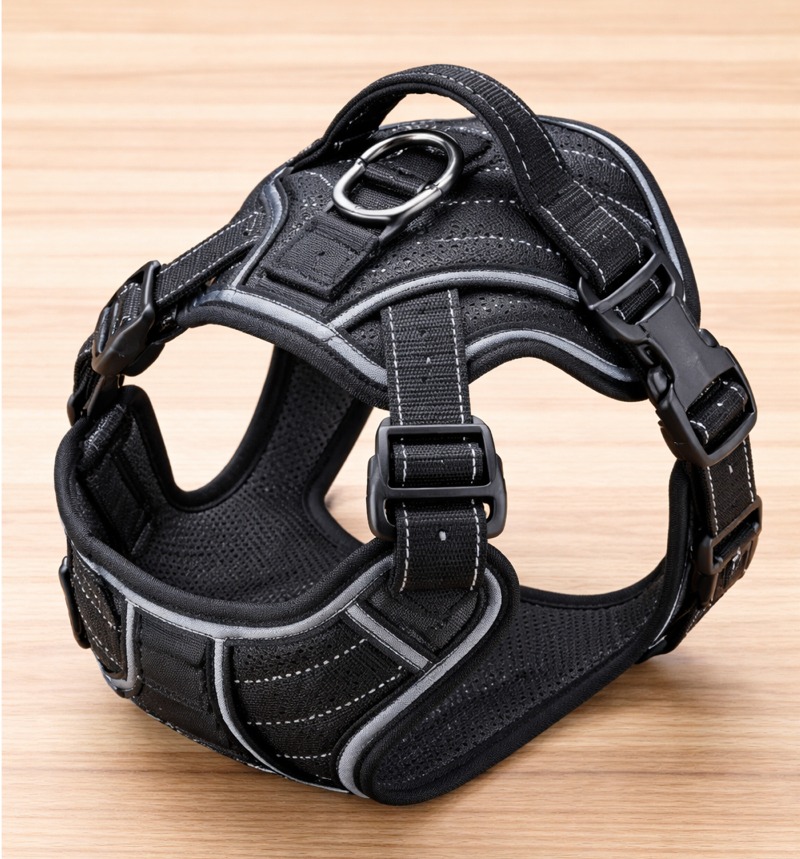
What Is a Front-Clip Dog Harness?
A front-clip harness has the lead attachment positioned on the dog’s chest rather than the back.
This design helps redirect the dog’s movement when they pull forward.
Benefits of a Front-Clip Harness
● helps reduce pulling during walks
● encourages dogs to stay closer to the handler
● supports loose-lead training
● improves control for energetic dogs.
When a dog pulls while wearing a front-clip harness, their body gently turns toward the owner rather than continuing straight ahead. This makes it easier to regain control.
Many trainers recommend this style for dogs that are still learning to walk calmly on the lead.
A harness with a front-clip design, such as the GentleStep harness, uses this principle to help guide the dog back toward the handler when pulling begins.
Which Harness Is Best for Dogs That Pull?
For dogs that frequently pull on the lead, front-clip harnesses are often the better choice.
They don’t rely on discomfort or punishment but instead work by redirecting the dog’s movement, making it easier to guide them back into position beside the handler.
However, training and consistency are still important. A harness supports training but does not replace it.
Which Harness Is Best for Calm Walkers?
If your dog already walks politely on the lead and rarely pulls, a back-clip harness may be perfectly suitable.
These harnesses are comfortable and simple for everyday walks with well-trained dogs.
How to Choose the Right Harness
When selecting a harness, consider:
● your dog’s size and strength
● whether your dog pulls during walks
● comfort and adjustability
● how easy the harness is to fit properly.
A well-fitted harness should be snug but comfortable, allowing freedom of movement while preventing escape.
Final Thoughts
Both front-clip and back-clip harnesses have their place in dog walking and training. The right choice depends largely on your dog’s behaviour.
● Back-clip harnesses are often suitable for calm walkers.
● Front-clip harnesses can help manage pulling and support loose-lead training.
Understanding the differences between these designs can help you choose the harness that makes walks safer and more enjoyable for both you and your dog.
Leave a Comment