
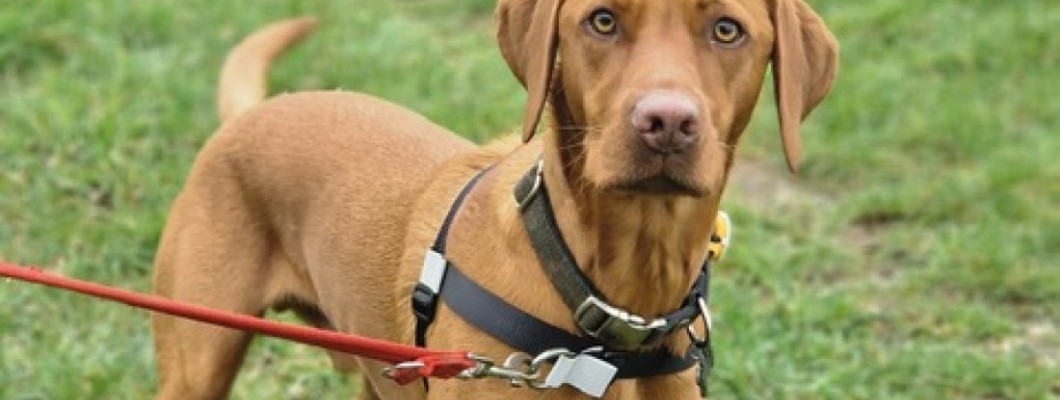
Walking your dog should be one of the most enjoyable parts of the day. But if your dog pulls, lunges, zig-zags or drags you along the pavement, even a short walk can become tiring and stressful.
Many owners blame themselves, their dog, or the lead — but sometimes the equipment being used is making the problem worse.
A well-designed harness can help make walks calmer, more comfortable and easier to manage. The key is choosing the right type of harness and fitting it correctly.
Why Do Dogs Pull on the Lead?
Dogs pull for lots of reasons. They may be excited, eager to sniff, keen to greet people or dogs, or simply used to moving faster than we do.
Pulling can also become a habit. If a dog pulls and still gets to move forward, the pulling is often rewarded without us realising it. Over time, the dog learns that pulling works.
This is why equipment matters. A harness will not magically train a dog overnight, but the right harness can make it easier to guide your dog, reduce strain, and help you practise calmer walking.
Why Some Harnesses Can Make Pulling Worse
Not all harnesses work in the same way.
Many standard harnesses have the lead attachment on the dog’s back. These can be comfortable, but for some dogs they encourage leaning and pulling forward. This is especially true with strong or enthusiastic dogs, as the back attachment gives them something to push into.
This does not mean back-clip harnesses are bad. They suit many dogs. But if your main problem is pulling, a front-clip harness may be a better option.
How a Front-Clip Harness Can Help
A front-clip harness has the lead attachment at the front of the dog’s chest rather than on the back.
When the dog pulls forward, the front attachment helps gently guide the dog back towards you instead of allowing them to drive straight ahead. This can make it easier to redirect their movement and encourage a more controlled walk.
A front-clip harness can be especially useful for:
- Dogs that pull strongly on the lead
- Young dogs learning lead manners
- Dogs that lunge or zig-zag
- Owners who want more control without using harsh equipment
- Dogs that find collars uncomfortable when they pull
The aim is not to force the dog into position. The aim is to make calmer walking easier for both dog and owner.
Comfort Still Matters
A good walking harness should not just help with control. It also needs to be comfortable.
Look for a harness that:
- Sits comfortably around the dog’s chest
- Avoids pressure on the throat
- Allows natural shoulder movement
- Has adjustable straps for a secure fit
- Does not rub behind the front legs
- Feels secure without being tight
A harness that is badly fitted can slip, twist or rub, so correct fitting is just as important as the design itself.
Introducing the GentleStep Front-Clip Dog Harness
The GentleStep dog harness has been designed to help encourage calmer, more comfortable walks.
It uses a front lead attachment to help reduce pulling in a natural way, guiding your dog back towards you when they move too far ahead. This gives you more control while avoiding pressure on the neck and throat.
GentleStep is suitable for everyday walks and is especially useful for dogs that pull, rush ahead, or need a little extra guidance on the lead.
It is designed to be simple, comfortable and practical, with adjustable straps to help achieve a secure fit.
How to Use a Harness for Calmer Walks
A front-clip harness works best when used alongside calm, consistent handling.
Here are a few simple tips:
1. Keep the lead relaxed where possible
Try not to keep constant tension on the lead. A tight lead can make some dogs pull even harder. Aim for a relaxed lead and gently guide your dog back when needed.
2. Reward your dog for walking near you
When your dog walks beside you or checks in with you, praise them. You can also use small treats if appropriate. This teaches your dog that staying close is worthwhile.
3. Change direction calmly
If your dog pulls ahead, calmly change direction or pause. This helps break the habit of pulling forward to reach something.
4. Practise in quiet places first
Start somewhere with fewer distractions before expecting calm walking in busy areas. Dogs find it harder to concentrate when there are lots of smells, people or other dogs around.
5. Check the fit before each walk
Make sure the harness is secure and sitting correctly. A front-clip harness needs to be fitted properly so the front attachment works as intended.
Is a Harness Enough to Stop Pulling?
A harness can make a big difference, but it is not a complete training programme by itself.
Think of the harness as a helpful tool. It can reduce strain, improve control and make training easier, but your dog still needs clear guidance and consistency.
For many owners, the right harness is the first step towards more enjoyable walks.
Final Thoughts
If your dog pulls on the lead, you are not alone. Pulling is one of the most common walking problems dog owners face.
The right harness can help make walks calmer, safer and more comfortable. A front-clip design, such as the GentleStep dog harness, can be especially useful because it helps guide your dog back towards you rather than allowing them to pull straight ahead.
With the right fit, calm handling and regular practice, walks can become much more enjoyable for both you and your dog.
Looking for a harness for calmer walks?
Take a look at the GentleStep front-clip dog harness, designed to help reduce pulling naturally and make everyday walks more comfortable.
Leave a Comment